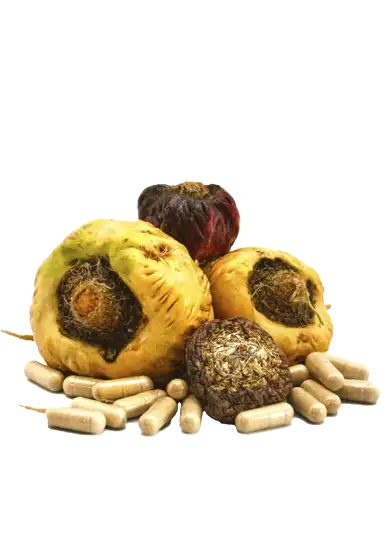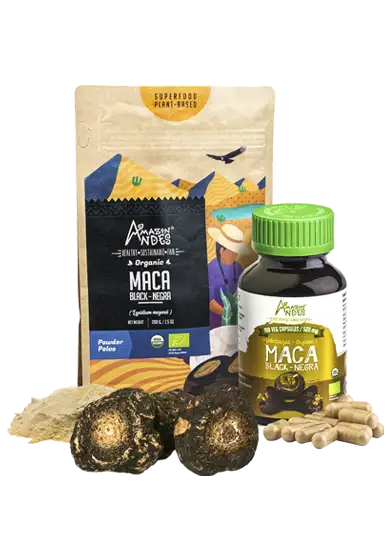

Maca, a superfood hailing from the Andes, is gaining popularity worldwide. It’s known for its energy-boosting properties and rich nutritional profile.
But did you know there are different forms of maca?
Raw and gelatinized maca are the two most common forms. Each has its unique benefits and drawbacks.
The question “is gelatinized maca better” often arises among health enthusiasts. This article aims to answer that question.
We’ll delve into the benefits of gelatinized maca over raw maca. We’ll also address common misconceptions and provide a detailed comparison.
By the end, you’ll have a clearer understanding of which form of maca might be better for your needs.
Understanding Maca and Its Forms
Maca, a root vegetable, is native to Peru’s high Andes region. It has been used for centuries by indigenous people.
This superfood comes in two main forms: raw and gelatinized. Each form offers its own distinct characteristics.
Raw maca retains its natural enzymes and nutrients in their original state. However, it can be tough on the stomach for some people.
Gelatinized maca, on the other hand, undergoes processing to remove starch. This makes it easier to digest and more bioavailable.
Gelatinized Maca vs Raw Maca: The Digestive Advantage
The gelatinization process removes starch from maca roots. This makes gelatinized maca much easier to digest. It’s especially beneficial for those with sensitive stomachs.
Raw maca retains its natural enzymes, offering a richer nutrient profile. However, it can cause digestive discomfort for some users. This makes it less suitable for everyone.
With starch removed, gelatinized maca becomes more concentrated in certain compounds. This enhances its nutritional value per serving. It’s also less likely to cause bloating or gas.
Key advantages of gelatinized maca include:
- Easier on the digestive system
- More concentrated nutrients
- Reduced likelihood of causing stomach upset
For individuals with thyroid concerns, gelatinized maca may be preferable. The process reduces goitrogenic compounds, posing less risk to thyroid function. This makes it a safer option for those mindful of their thyroid health.
Nutritional Showdown: Does Gelatinization Affect Maca’s Benefits?
Gelatinization alters the nutritional profile of maca. While some nutrients may be reduced, others become more concentrated. This process enhances bioavailability.
Raw maca retains its full nutrient array, including enzymes. The downside is that these can be tough on digestion. This makes it less ideal for everyone.
Gelatinized maca, free from starch, allows easier nutrient absorption. This makes it more efficient for the body to utilize essential compounds like minerals and amino acids. It’s a convenient option for those seeking quick benefits.
Concerns about nutrient loss in gelatinized maca arise. However, experts suggest that the benefits of improved absorption outweigh potential downsides. Gelatinization generally maintains most of maca’s key health properties.
Both maca forms share similar health boosts, but individual experiences may vary. The choice often depends on personal health needs and digestive capacity. Each form provides unique advantages, supporting overall wellness.
Gelatinized Maca for Sensitive Stomachs and Thyroid Health
Gelatinized maca is recommended for those with sensitive stomachs. The removal of starch makes it easy to digest. It reduces the likelihood of bloating and gas.
People with thyroid concerns must be careful with maca. Raw maca contains goitrogens, which can interfere with thyroid function. Gelatinized maca has reduced levels of these compounds.
The processing also enhances nutrient absorption. This ensures that individuals with digestion issues can still benefit. It’s a wise choice for optimal energy without discomfort.
Ultimately, choosing the right form depends on your body’s needs. Gelatinized maca is gentle yet potent, balancing health benefits and comfort.
Taste, Texture, and Culinary Uses
Gelatinized maca has a milder flavor compared to raw maca. This makes it more appealing to those who prefer subtle tastes. Raw maca tends to have a stronger, more earthy profile.
The texture of gelatinized maca is smooth and fine. It dissolves easily in liquids without clumping. This feature makes it versatile in various recipes.
Gelatinized maca is an excellent addition to smoothies. Its mild taste blends well with fruits and vegetables. You can also stir it into oatmeal or yogurt for a nutritional boost.
Baking enthusiasts can incorporate it into muffins or breads. The mild flavor doesn’t overpower the dish. Gelatinized maca truly shines in its adaptability to various culinary creations.
Bioavailability: Maximizing Maca’s Potency
One of the key advantages of gelatinized maca is its improved bioavailability. This means that your body absorbs its nutrients more efficiently compared to raw maca. The process of removing starch enhances the concentration of active compounds.
For those who seek the maximum benefits from superfoods, bioavailability is crucial. Gelatinized maca ensures that you get the most out of each serving. This can lead to more consistent effects and results.
Athletes and fitness enthusiasts often prefer gelatinized maca for this reason. Its nutrients are rapidly absorbed, providing quick energy and stamina boosts. This makes it an ideal choice for pre-workout nutrition.
Incorporating gelatinized maca into your diet could lead to better overall wellness. The easier absorption is beneficial for people aiming to improve their health. It’s an important consideration when deciding between gelatinized and raw maca.
Choosing the Right Maca for You: Gelatinized or Raw?
Deciding between gelatinized or raw maca can be challenging. Each type offers its own set of benefits. Consider your digestive health and dietary goals as you make your choice.
If you have a sensitive stomach, gelatinized maca might be the better option. It’s easier to digest, reducing the chances of discomfort. On the other hand, raw maca retains all its natural enzymes, which some people prefer.
Think about your lifestyle and how you plan to use maca. Gelatinized maca mixes well in smoothies and drinks without clumping. Raw maca has a stronger taste, which might be appealing in culinary recipes.
Evaluating your health needs and taste preferences can guide you. Remember, individual responses to maca can vary. It’s essential to start with small amounts and observe how your body reacts.
How to Incorporate Gelatinized Maca into Your Diet
Adding gelatinized maca to your meals can be simple and enjoyable. It’s versatile, fitting into many everyday dishes. Start by adding it to breakfast.
Consider these ways to use gelatinized maca:
- Stir it into your morning smoothies for a nutrient boost.
- Mix it into oatmeal or yogurt for a creamy texture.
- Add a teaspoon to your coffee or tea for extra energy.
You can also incorporate it into baked goods. Maca works well in muffins and pancakes for added flavor. Remember, gelatinized maca has a mild taste, enhancing dishes without overpowering them.
Experiment with different recipes to find what suits your palate. Adjust quantities according to taste preferences. Starting with small amounts helps you gauge its effects and flavors.
Addressing Common Myths and Questions About Gelatinized Maca
Many myths about gelatinized maca can confuse buyers. It’s important to set the record straight.
Here are some common misconceptions:
- Gelatinization involves animal products. False; it’s plant-based.
- Gelatinized maca loses all nutrients. Not true; key nutrients remain.
- Raw maca is always better. Depends; digestion varies per person.
Clearing up these myths helps make informed choices. Understanding the facts ensures you use maca effectively.
Conclusion: Making an Informed Decision on Maca
Choosing between gelatinized and raw maca depends on your needs. Consider digestion, bioavailability, and taste preferences. Each form offers unique benefits.
Both types have potential health benefits. Understanding their differences helps you decide which works best for you. Always source high-quality products and consult with a health expert if needed.