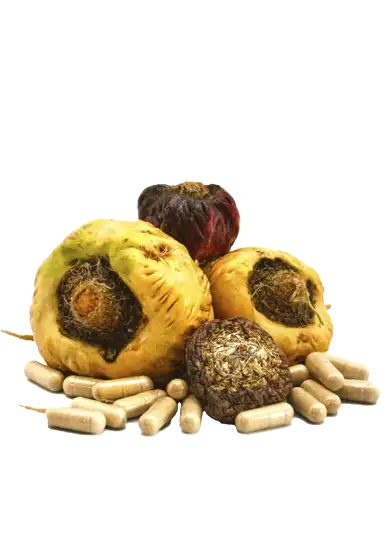
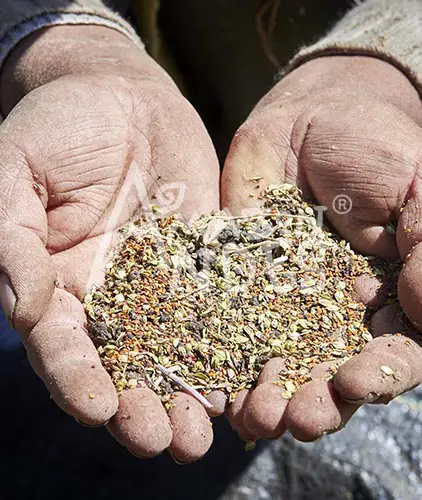
One of the most common questions from supplement brands and food manufacturers is whether to use maca powder or maca extract in their products. The answer depends on your target market, product format, pricing strategy, and desired health positioning.
Bioavailability Comparison
Raw maca powder has moderate bioavailability — the starch matrix can limit absorption of active compounds. Gelatinized maca removes starch, improving bioavailability by approximately 30-40%. Extract 10:1 concentrates bioactives and removes plant matrix, offering significantly higher bioavailability per gram. Atomized 20:1 provides the highest bioavailability with >95% solubility.
Cost Per Active Dose
While extracts cost more per kilogram, the cost per effective dose can be lower. Example: to deliver 30mg macamides per serving — Raw powder (0.3% macamides): need 10g per serving = $0.10/serving. Extract 10:1 (2.0% macamides): need 1.5g per serving = $0.05/serving. The extract actually delivers active compounds more economically despite higher per-kg price.
Best Applications by Format
Choose Powder when: Your product is a smoothie mix, food ingredient, or daily wellness powder. Consumers expect to see and taste maca. Your price point is value-oriented. Serving size isn't constrained.
Choose Extract when: Your product is capsules, tablets, or RTD beverages. You need high potency in small serving. You're targeting the premium/clinical supplement market. You need consistent standardized dosing. Shelf stability is critical.
Market Positioning
Powder positions as: natural, whole-food, traditional, accessible, daily superfood. Extract positions as: clinical-grade, high-potency, science-backed, premium, targeted health solution. Both have strong market demand — the question is which aligns with your brand strategy.